

Introduction: Black Friday 2026 Is Almost Here
Black Friday falls on November 27, 2026, giving ecommerce businesses limited time to prepare their websites for increased holiday shopping activity.
According to Adobe’s 2026 holiday forecast, U.S. online spending could reach $275.1 billion during November and December, with Black Friday alone expected to generate $12.9 billion.
For online retailers, this creates an opportunity to increase sales. However, slow websites, payment failures, inaccurate inventory, and confusing checkout experiences can turn interested shoppers away.
Effective Black Friday ecommerce website optimization means preparing every important part of the customer journey before promotions begin.
This guide explains what Shopify and WooCommerce merchants should prioritize during the final days before Black Friday.
1. Black Friday 2026 Ecommerce Trends Businesses Should Know
Holiday shopping continues to shift toward mobile devices, earlier discounts, and convenient purchasing experiences.
Adobe forecasts that mobile devices will account for 57.4% of U.S. online holiday spending in 2026.
AI-assisted product discovery is also growing, with more shoppers using digital assistants to research products and compare offers.
However, these trends do not eliminate the importance of a dependable ecommerce website.
Customers still expect accurate pricing, clear product information, secure payments, and reliable delivery estimates.
Businesses should focus on removing shopping obstacles rather than adding unnecessary features immediately before the sales period.
2. Optimize Website Speed Before Traffic Increases
A slow ecommerce website can frustrate shoppers, particularly when they are comparing multiple Black Friday deals.
Large images, unnecessary applications, heavy scripts, and inefficient hosting configurations may affect loading performance.
Start by testing your homepage, promotional landing pages, product pages, cart, and checkout on mobile devices.
Use Google PageSpeed Insights to identify performance problems and review Core Web Vitals.
Prioritize:
- Compressing oversized product images.
- Removing unnecessary scripts and applications.
- Testing mobile navigation and product filters.
- Checking hosting capacity and caching.
- Fixing unexpected layout shifts.
Avoid introducing major theme changes immediately before Black Friday unless they are essential and thoroughly tested.
Professional ecommerce website development can help businesses identify performance issues affecting their shopping experience.
3. Test Shopify and WooCommerce Checkout Functionality
Checkout reliability should be one of the highest priorities before holiday promotions.
A customer may successfully browse products and add items to their cart, only to encounter an unexpected payment or shipping error.
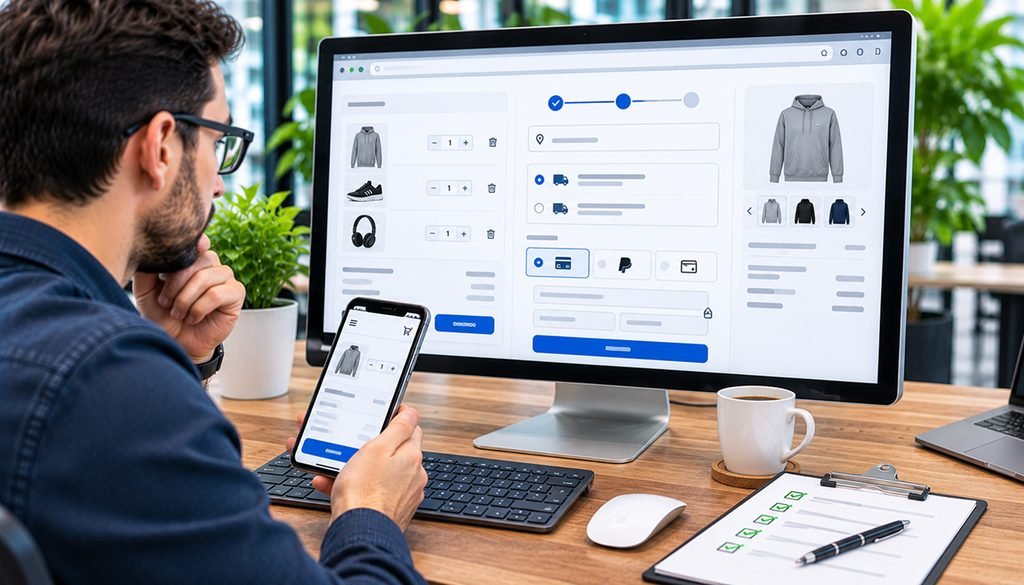
Test the complete checkout journey using supported payment methods and realistic order scenarios.
For Shopify stores, review payment settings, discount compatibility, shipping profiles, and installed checkout applications.
For WooCommerce stores, check payment gateway compatibility, plugin updates, tax calculations, and order confirmation emails.
Businesses using Shopify development services or WooCommerce development should request a final checkout review before launching major campaigns.
4. Prevent Payment Failures and Cart Abandonment
Payment failures can become especially costly during high-traffic shopping periods.
Common problems include declined transactions, payment gateway timeouts, incorrect shipping charges, and unexpected checkout errors.
Merchants should verify that payment integrations are functioning correctly and review how failed or pending transactions appear in the order management system.
Cart abandonment may also increase when shoppers encounter unexpected fees or complicated forms.
Display shipping costs, delivery expectations, and important return information clearly.
Offer appropriate payment options and reduce unnecessary checkout fields where the platform allows.
Test promotional discount codes before advertising them.
A successful checkout experience should be straightforward, transparent, and dependable.
5. Prepare Product Pages, Inventory, and Holiday Offers
Black Friday shoppers often make decisions quickly.
Product pages should communicate essential information without requiring customers to search through multiple sections.
Review product titles, images, descriptions, pricing, variants, and availability.
Make promotional offers easy to understand, including discount conditions and expiration dates.
Inventory accuracy is equally important.
Selling unavailable products can create fulfillment problems and disappointed customers.
Merchants should also confirm that promotional bundles, automatic discounts, and coupon codes work correctly.
For products with limited stock, display accurate availability information without creating misleading urgency.
Clear product information supports both customer confidence and conversion performance.
6. Improve Mobile Shopping and Customer Experience
Mobile optimization is especially important for Black Friday 2026.
A responsive layout alone does not guarantee a good mobile shopping experience.
Test whether customers can easily browse categories, select variants, read product information, and complete purchases on smaller screens.
Buttons should be easy to tap, text should remain readable, and important information should not be hidden behind unnecessary popups.
Check that promotional banners do not cover navigation or interfere with checkout.
A smooth mobile experience can reduce frustration during busy shopping periods.
7. Black Friday SEO and AI Shopping Visibility
Black Friday promotions also need visibility.
Create or update relevant seasonal landing pages with clear headings, useful product information, and accurate promotional details.
Review page titles, meta descriptions, internal links, and indexing settings.
If an existing Black Friday landing page has performed well in previous years, consider updating it rather than creating a new URL unnecessarily.
Businesses should also maintain accurate product feeds and structured product information where applicable.
AI shopping tools increasingly rely on dependable product details, making clear descriptions and inventory information valuable beyond traditional search.
Professional SEO services can help merchants improve technical accessibility and product discovery.
However, publishing a new page immediately before Black Friday does not guarantee search rankings or traffic.

8. Black Friday 2026 Website Readiness Checklist
Use this checklist before launching your holiday promotions.
| Website Area | Recommended Action |
| Website speed | Test key pages on mobile |
| Checkout | Complete test purchases |
| Payment gateways | Verify successful transactions |
| Shipping | Confirm rates and delivery estimates |
| Inventory | Synchronize product availability |
| Discounts | Test coupon and automatic offers |
| Product pages | Review pricing and descriptions |
| Mobile usability | Check navigation and buttons |
| SEO | Review landing pages and indexing |
| Analytics | Confirm conversion tracking |
| Backups | Prepare a recovery plan |
Complete high-risk technical checks first, followed by promotional and content improvements.
Latest Reading: Google November 2026 Core Update
Google November 2026 Core Update: Why Website Rankings Are Changing
Search visibility remains important during the holiday shopping season.
Our recent article explains Google’s November 2026 Core Update, how businesses can monitor Search Console performance, and which SEO mistakes to avoid during ranking fluctuations.
9. Your Final 11-Day Black Friday Preparation Plan
With Black Friday approaching, businesses should prioritize essential tasks.
November 16–18: Audit website speed, checkout functionality, payment gateways, and inventory.
November 19–21: Fix confirmed problems, review product pages, and test promotional offers.
November 22–24: Check mobile usability, shipping settings, customer emails, and analytics tracking.
November 25–26: Complete final test orders, verify backups, and avoid unnecessary technical changes.
November 27: Monitor website availability, orders, payments, and customer support enquiries throughout Black Friday.
This schedule helps businesses address urgent issues without introducing avoidable risks close to launch.
Frequently Asked Questions
When is Black Friday 2026?
Black Friday falls on Friday, November 27, 2026. Cyber Monday follows on November 30.
How can I prepare my ecommerce website for Black Friday?
Prioritize website speed, mobile usability, payment testing, inventory accuracy, shipping settings, and promotional discounts.
Should I redesign my website before Black Friday?
A complete redesign is usually risky close to a major sales event. Focus on essential fixes and thoroughly tested improvements.
How do I prevent checkout problems?
Test payment methods, shipping calculations, discount codes, order confirmations, and checkout functionality before launching promotions.
Is Black Friday SEO still important in 2026?
Yes. Accurate product information, useful landing pages, technical accessibility, and relevant internal links remain important for organic visibility.
Get Your Ecommerce Website Ready for Black Friday
Black Friday 2026 presents significant opportunities for online retailers, but strong promotions alone cannot guarantee successful sales.
Fast-loading pages, reliable checkout systems, accurate inventory, and clear product information help create a better shopping experience.
At Thrive Studio Inc., we help businesses improve ecommerce website performance, usability, technical functionality, and conversion-focused experiences.
Whether you operate a Shopify or WooCommerce store, preparing your website before peak shopping periods can help reduce avoidable problems.
Contact Thrive Studio Inc. to discuss your ecommerce website optimization needs.